Eco-Wise Residential Waste Disposal Methods
Posted on 22/08/2025
Proper waste disposal is a critical aspect of maintaining a sustainable and healthy environment, especially in residential areas. With increasing concerns about pollution and environmental impact, adopting eco-wise residential waste disposal methods can significantly contribute to reducing our ecological footprint. This article explores effective strategies for managing residential waste responsibly and provides practical tips to help you get started.
Understanding Residential Waste
Residential waste, often referred to as household waste, encompasses a variety of materials including organic waste, recyclables, and non-recyclables. Effective disposal methods require sorting these materials to ensure each type is discarded in an environmentally-friendly manner.
Top Eco-Wise Waste Disposal Methods
1. Recycling
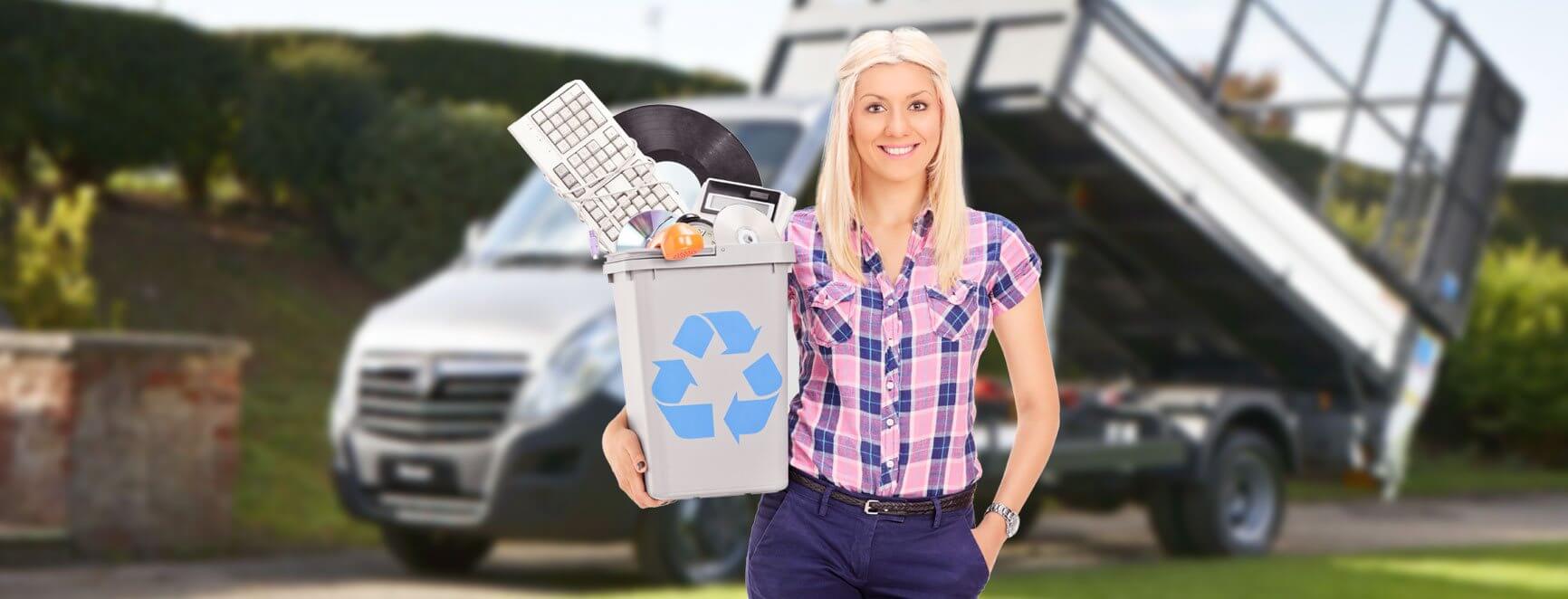
Recycling is one of the most common and effective methods of managing residential waste. It involves converting waste materials into new products, thus minimizing the consumption of fresh raw materials and reducing energy usage. To effectively recycle:
- Sort your waste into categories such as paper, plastics, glass, and metals.
- Clean and dry recyclables before placing them in the recycling bin.
- Stay informed about your local recycling guidelines to ensure compliance.
2. Composting
Composting is an excellent method for managing organic waste such as food scraps and yard waste. This process breaks down organic materials into nutrient-rich compost that can be used to enrich soil in gardens:
- Start a compost bin or pile in your backyard.
- Add kitchen waste like fruit peels, vegetable scraps, and eggshells.
- Include yard waste like grass clippings and leaves.
- Turn the compost regularly to speed up the decomposition process.
3. Reusing and Repurposing
Reusing and repurposing items is another effective way to reduce waste. Instead of discarding items that are no longer needed, consider if they can serve another purpose:
- Use glass jars for storage or as planters.
- Transform old clothing into cleaning rags.
- Donate functional items to charity instead of throwing them away.

Tips for Effective Waste Management
Reducing Waste
One of the best ways to manage waste is to reduce the amount of waste generated in the first place:
- Buy products with minimal packaging.
- Opt for reusable items such as cloth bags and water bottles.
- Avoid single-use plastics whenever possible.
Educating the Household
Ensure that everyone in the household is aware of and participates in waste management practices:
- Teach children the importance of recycling and composting.
- Set up clearly labeled bins for different types of waste.
- Discuss the benefits of eco-friendly waste disposal methods during family meetings.
Pros and Cons
Pros
- Reduces environmental pollution and conserves natural resources.
- Decreases the volume of waste sent to landfills.
- Promotes a healthier living environment.
- Can save money in the long run by reducing waste management costs.
Cons
- Initial setup for composting and recycling can be time-consuming.
- Requires consistent effort and commitment from all household members.
- Not all materials are easily recyclable or compostable.
Key Takeaways
- Effective waste management starts with reducing the amount of waste generated.
- Recycling and composting are pivotal methods for managing residential waste.
- Educating the household and consistently practicing eco-wise disposal methods are crucial.
Conclusion
Adopting eco-wise residential waste disposal methods is a vital step towards creating a sustainable and healthy living environment. By recycling, composting, and reusing items, households can significantly reduce their environmental impact. While it may require some initial effort and commitment, the long-term benefits to both the environment and personal well-being make it a worthwhile endeavor. Start implementing these strategies today to contribute to a greener future.